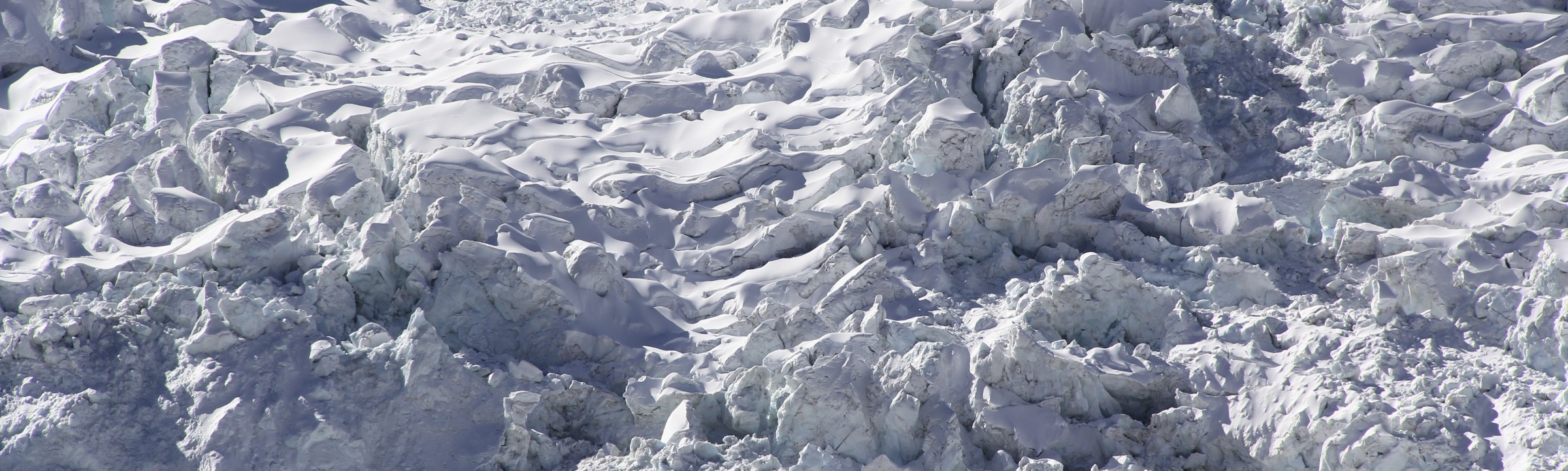

I was excited this morning as overnight we had received special permission from the authorities (police + army) to travel further up the valley from Khaplu. Usually foreigners aren’t allowed further east as we’re getting close to the Line of Control, and the Siachen Glacier (the world’s highest battlefield with soldiers posted at over 5000m, the Pakistanis and Indians lob mortars and artillery shells at each over the ridges every now and then) is at the end of the road.
After breakfast we drove to the checkpoint and after some animated discussion with the soldiers on duty we successfully passed through. Our destination on the other side was just 2km past the checkout. At a view point a couple of hundred metres above the sandy Shyok river delta we had perfectly clear views to the north with a jagged granite ridge framing the right-hand side of the valley and Masherbrum (7821m) with its irregular, iconic peak visible at the head of the valley. Fantastic to see such a formidable mountain!
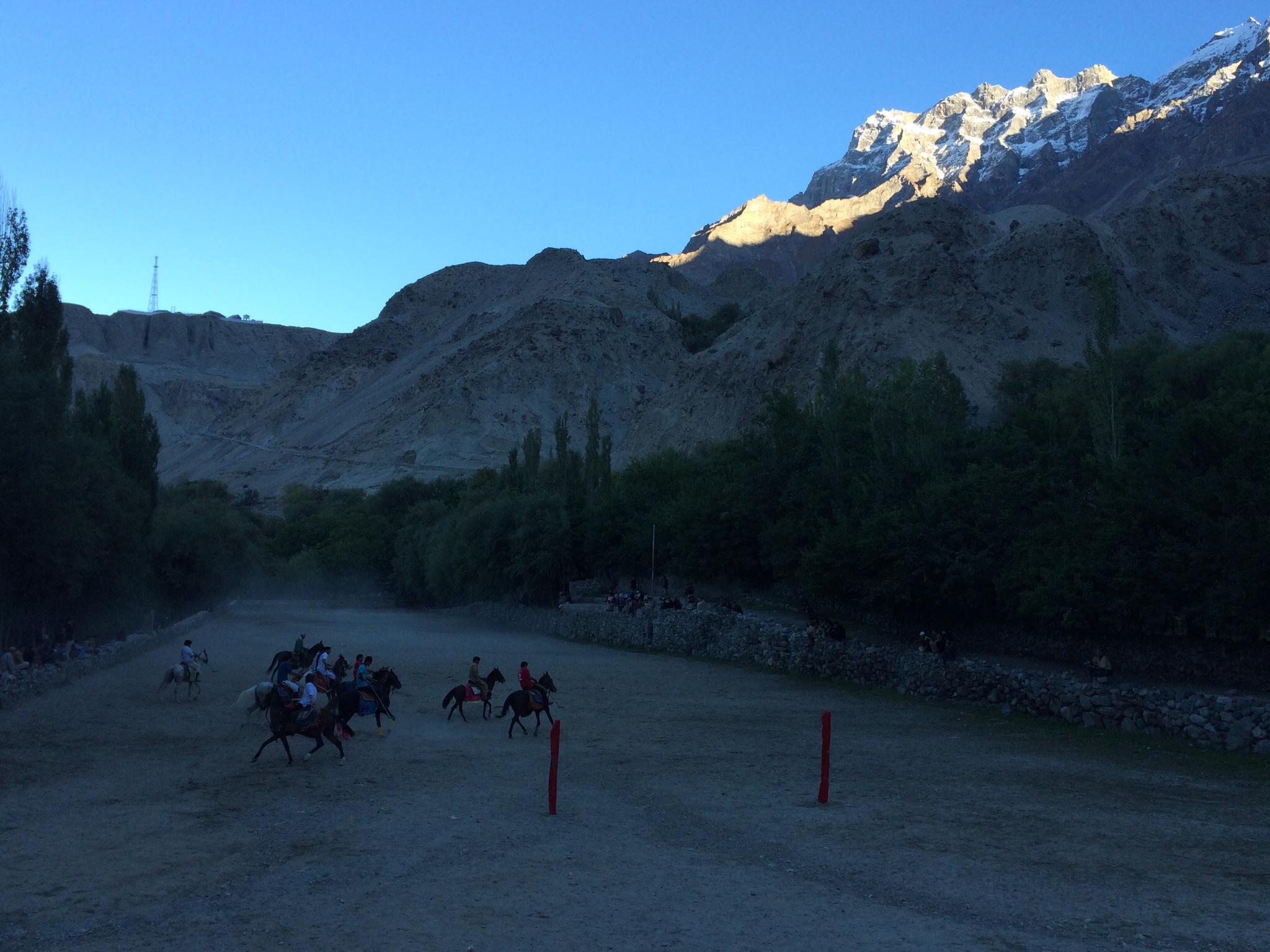
In the late afternoon we walked down to the nearby polo ground (a long but narrow stone-walled field which the kids usually use for kicking a ball or playing cricket) in the village to watch two Khaplu teams play the local version of polo. In the polo played here in the mountains, there really aren’t too many rules and the objective of the game is to get the ball through the posts any way you can. Unlike the more refined version of the game, the players are allowed to carry the ball up the field on their horses and their opponents are allowed to whack their hands/arms with their sticks to try and dislodge it. You can score goals by hitting the ball through, carrying it through, or even throwing it through! They also play five to a side (not four) and don’t play to a certain winning score but play for an allotted time (2 x 20 minute halves). It was thoroughly entertaining to watch them play and the horsemanship was impressive, and seeing polo in the mountains of northern Pakistan was like watching rugby at Rugby School in England.


Shigar was just our destination for the night – we’ll be back there for a couple of nights in a few days. The reason we stayed there on the way out was to break up the long trip from Gilgit to Khaplu, our farthest destination on the entire trip.
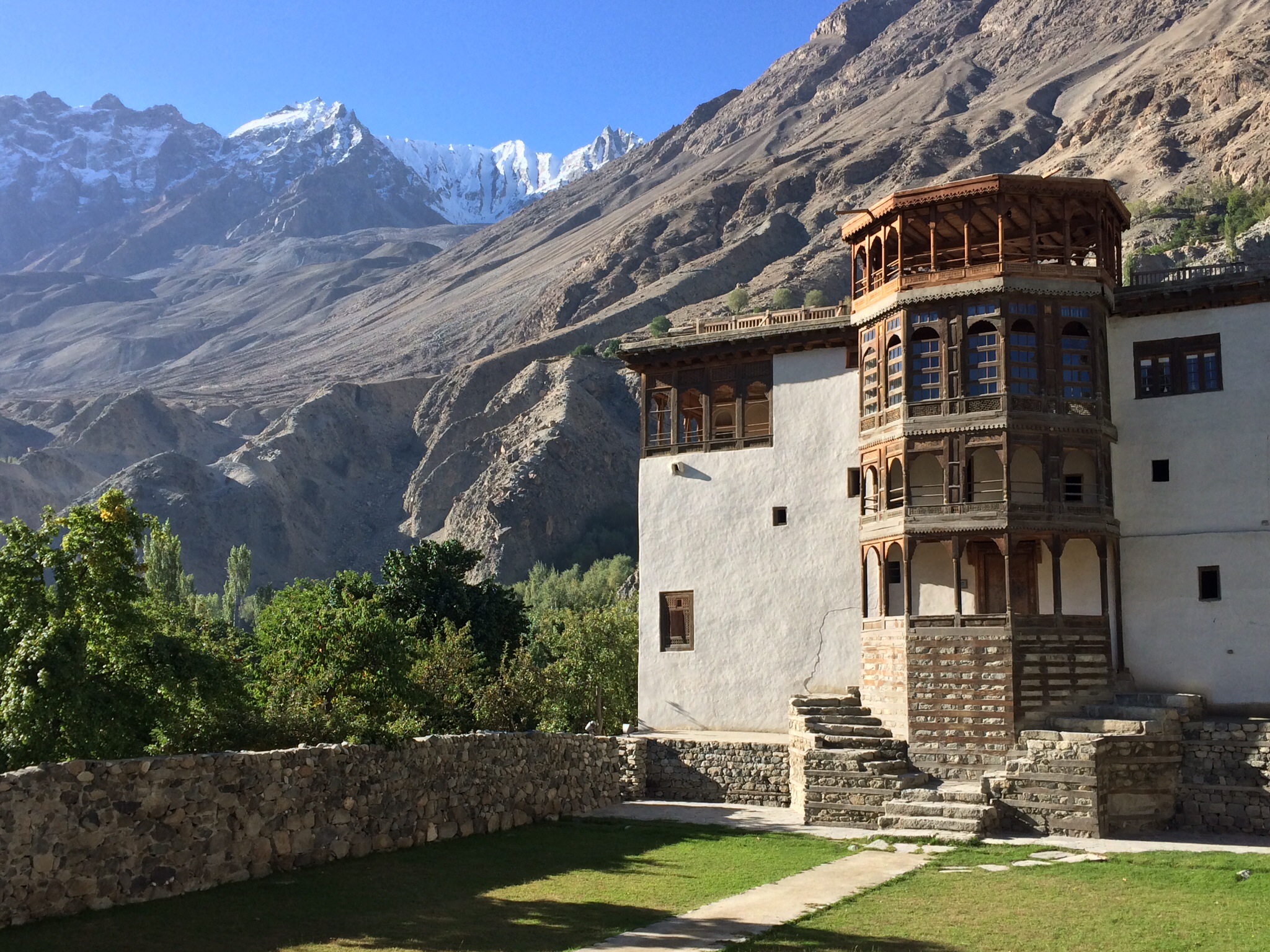
After breakfast we had a quick tour of the Shigar Fort, which has a fascinating history as both the former seat of power for the Raja as well as serving as the royal residence. They have done an amazing job restoring the building, and it’s conversion into a luxury hotel has been done tastefully. It’s easily one of the most quaint, unique and romantic hotels I’ve stayed in, and I’m looking forward to coming back to relax here for a couple more nights after we’ve been out to Khaplu.
The drive was a short one today, first back across the Indus River near Skardu and then heading east following the river further upstream. The Indus was more of a gentle giant along this stretch, meandering in slow esses down the wide valley with rock-strewn mountains above. Apart from the occasional lush green village it was quite barren and arid.
After a couple of hours driving we reached another convergence of rivers with a dodgy suspension bridge to cross. If we stayed following the Indus (along here called the Sind) we would cross some 40km away over the Line of Control and into Indian Kashmir (Ladakh). In 2009 I rode a motorcycle along the Indus from Leh around Ladakh with my mate Guillermo, and it was nice to be able to almost join the dots now.
We instead left the Indus and drove north-east into the Shyok river valley. An hour and a bit later and we arrived in the sprawling village of Khaplu nestled amongst terraced fields and orchards on the hill. We drove towards the upper part of the village to the Khaplu Fort & Residence, which like the one in Shigar has been restored and converted into a luxury hotel. It seemed out of place to have such nice accommodation all the way out here, and it seemed like the hotel hadn’t seen any guests in a while!
The hotel was a lovely collection of old restored buildings, and following a tour of the fortress-like royal quarters we sat on the balcony with some tea to watch the sun set over a really jagged ridge of granite peaks across the valley.


We had another early start today as this was going to be one of our longest days yet. The plan was to follow the Gilgit River downstream to where it meets the mighty Indus River. From there we were going to turn off the KKH and follow the Indus upstream for around 200km to Skardu and Shigar, our destination for the night.
Our first stop was a notable one. Where the Gilgit joins the Indus River is the point at which three of the great mountain ranges meet: the Karakoram to the north, the Himalayas to the south-east and the Hindu Kush to the west. A short drive further on took us to a point where we could see the entire Nanga Parbat massif some 30km to the south of us – thankfully free of clouds and visible. Nanga Parbat marks the western end of the Himalayas and this historic mountain at 8125m is the 9th highest mountain in the world.
A short time later we entered the narrow Indus valley and so began six hours of driving along some hairy, gravity-defying roads that give you some idea of what the KKH used to be like: single vehicle width, patchy road surface with a crumbling shoulder at the cliff’s edge, etc. All the way along the valley the muddy brown Indus churned away far below us – a frightful sight.
Apart from the dramatic scenery there were a few interesting things to see along the way. Patches of green marked the small villages with their terraced fields clinging to the mountainsides, and those villages on the opposite side of the valley were connected to the outside world via suspension bridges, or even more archaically by a single wire strung hundreds of metres over the river with a metal basket to ride in – a jhula in the local language. At one point we saw some rudimentary mines that followed the quartz veins through the rock walls, where all sorts of gemstones are unearthed.
A basic lunch at a roadside PTDC and a few photo/toilet stops were all that broke up the trip, along with a few times we had to pull over to allow some large brightly-colored and decorated Pakistani trucks to pass.
We emerged at the other end of the narrow gorge in the late afternoon, and crossed a temporary looking suspension bridge constructed like a giant Meccano set which could only take one vehicle at a time – the amount it flexed and contorted when a large truck went across it was frightful!
Forty-five minutes later we drove through Skardu (similarly disappointing, given its mountaineering heritage I was expecting something a bit like the Thamel part of Kathmandu), crossed another bridge north over the Indus and headed into the Shigar valley. Ten hours after our departure from Gilgit we arrived at our destination: the stunning Shigar Fort hotel.


