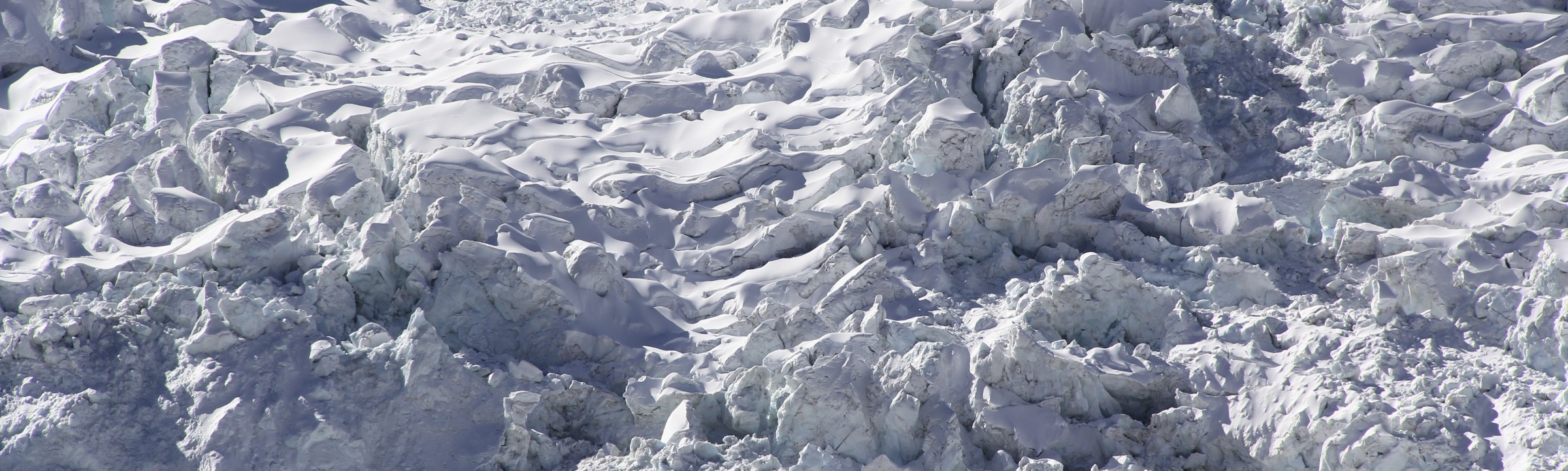
Luxembourg had been on my “To Do” list for some time, but not for any specific reason – as one of those “little countries” in Europe like Liechtenstein, Vatican City or Andorra, Luxembourg is one of those tourist destinations that people just want to explore and tick off their list.
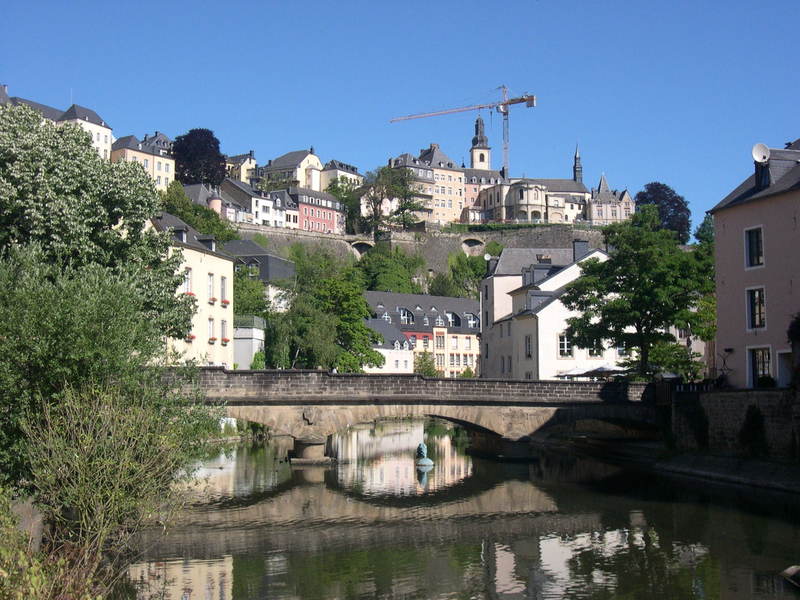
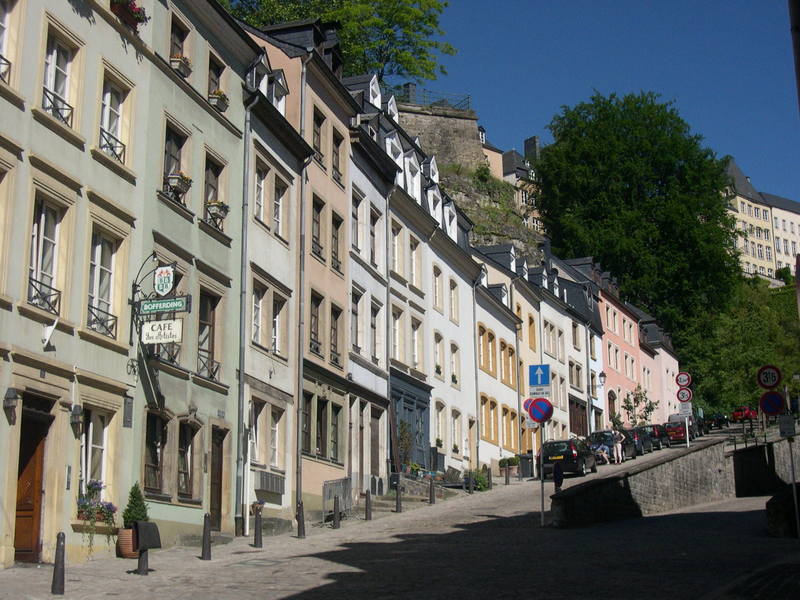
I’d made a booking in the local youth hostel which turned out to be a bit of a hike across town from the train station. Luckily, Luxembourg City sure ain’t a big place so it didn’t take too long. After dumping my bag I went to explore the old city, which is positioned in a strategic position atop the cliffs that line a bend in the river. There wasn’t much going on in town, but it was a nice weekend to chill.
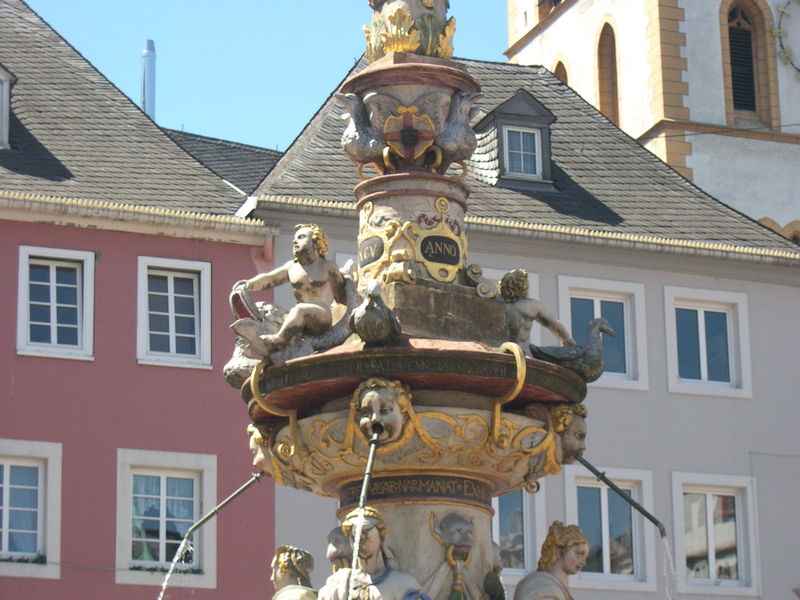
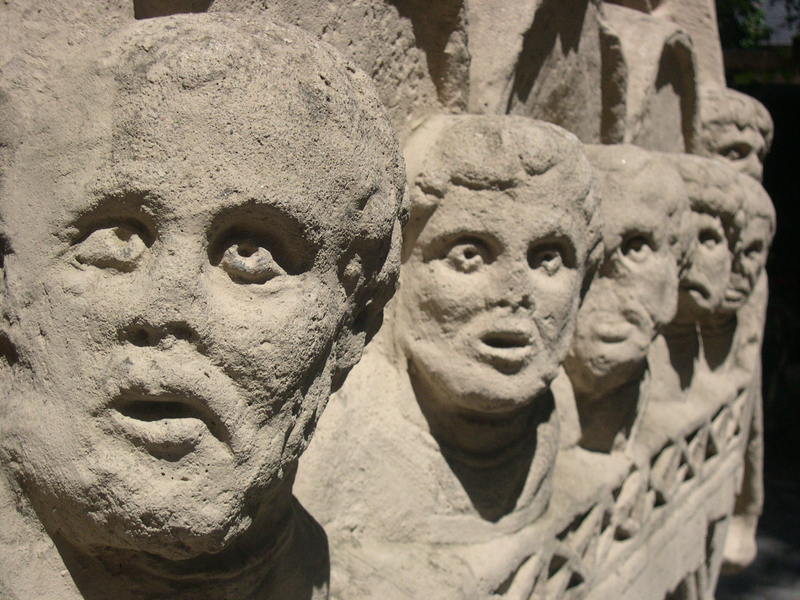
On the way home on Sunday I stopped off in Trier for a couple of hours. I’d heard the Old Town part was nice, and I also wanted to see some of the Roman ruins still standing.
We spent our final few days in and around the northern city Tamale (pron. “ta-mah-lay”). The north of Ghana is drier and far more arid savannah, and famine and hunger are much more prevalent. And boy was it hot hot HOT. We were there to meet with the UN World Food Programme and Catholic Relief Services, who were both delivering aid food to local communities.
These organizations drove us no more than 30 minutes out of the city (which seemed quite well-off) and just a few minutes off the highway. The transformation was incredible – we came across tribal communities struggling to survive off the land, and they didn’t even have clean drinking water available. In fact, clean water was by far the most important issue we felt needs to be addressed in rural Ghana.


One meeting with the village leadership and tribal elders. Our visit was an important event for them, and when we visited the school we found all the mothers there who wished to air their grievances.


Incredibly, this is the village’s only drinking water!
After a couple of days in Tamale we flew back to Accra to crank out our report and present it to our client (Abenaa, who came down to Accra from Kumasi) on our final day in the city. After roughing it around the country we blew our budget on a pretty nice hotel along the coast on the outskirts of the city – the pool was a god-send!

“Bub-bye, bub-bye…”
On our second weekend we took the chance to go way off the beaten track to Mole National Park, a large park in north-western Ghana known for its wild elephant population. To get there it was a bumpy and looooong drive along terrible roads with our Ghana Health Service driver Donku at the wheel.

A dirt road in the middle of nowhere, Ghana.
We arrived in the evening to find the one hotel in the park full, but we eventually wangled a room out of them. The next morning we woke up to find all sorts of fauna around the buildings – warthogs, babboons etc. We took a guided walk through the savannah to see what we could see and saw many different kinds of antelope and kudu. As we walked back towards the escarpment we passed one water hole and saw some small crocodiles. In the distance we then saw the herd of elephants heading towards one of the water holes! We walked towards the herd and managed to get as close as 20-30m to wild elephants! What an experience!!


A couple of pics taken through Kirsten’s binoculars.


Taking a morning bath. “Working” by the swimming pool.
That afternoon we walked through the heat into the local town to see its one tourist attraction – the oldest mosque in Ghana. The architecture was fascinating and it was constructed using a mud-and-pole technique. Unfortunately we were not allowed to go inside.


Walking into town = very hot! The mosque.

Fascinating mud-and-pole architecture.


They must be little people… Back into the National Park.