I’d been told about this place by a few travelers along the way, and had to check it out. It was a day trip from Agra and for anyone heading out that way it’s well and truly worth it.
Fatepur Sikri is a deserted city – originally built by royalty several hundred years ago, it was abandoned soon after the king died once everyone realized it was built too far from a reliable water source (duh!). One thing I recall about the king is that he firmly believed in religious tolerance and even married three wives of each religion (Hindu, Muslim, Christian) to maintain peace in his kingdom. I kinda liked that idea.
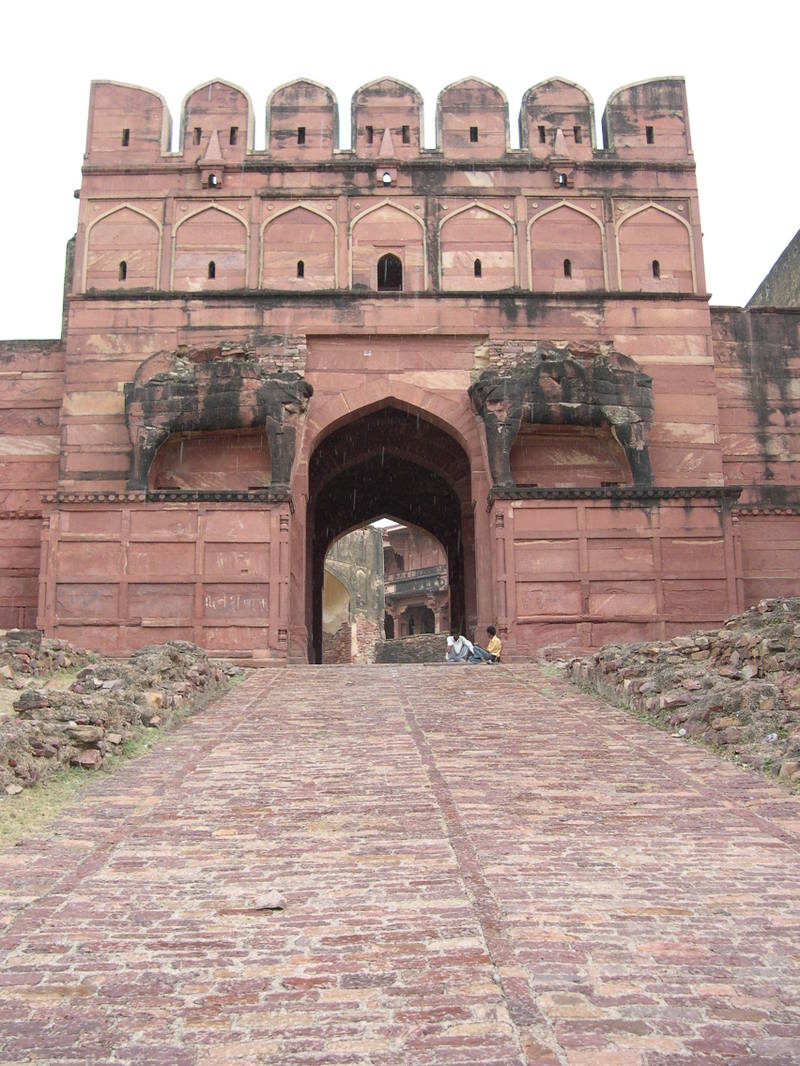
The heads of these elephants statues at the city gates were destroyed by the invading Muslims.
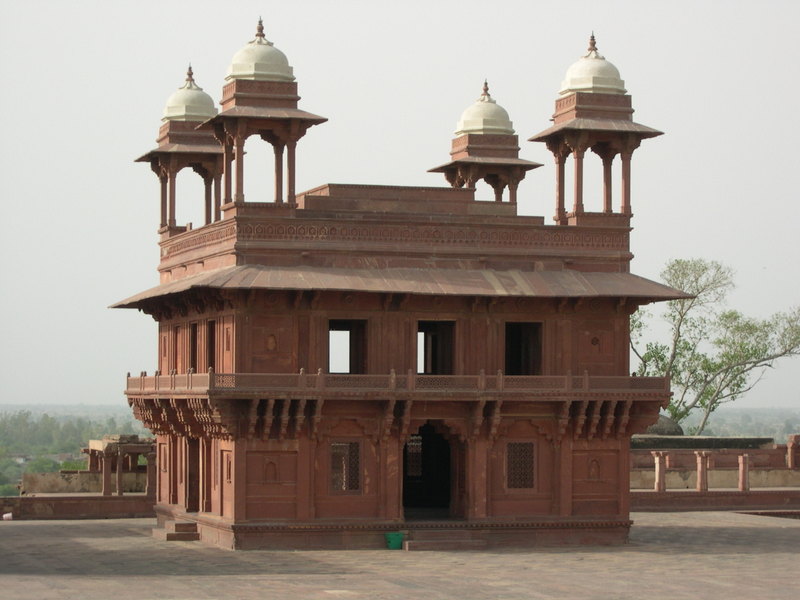
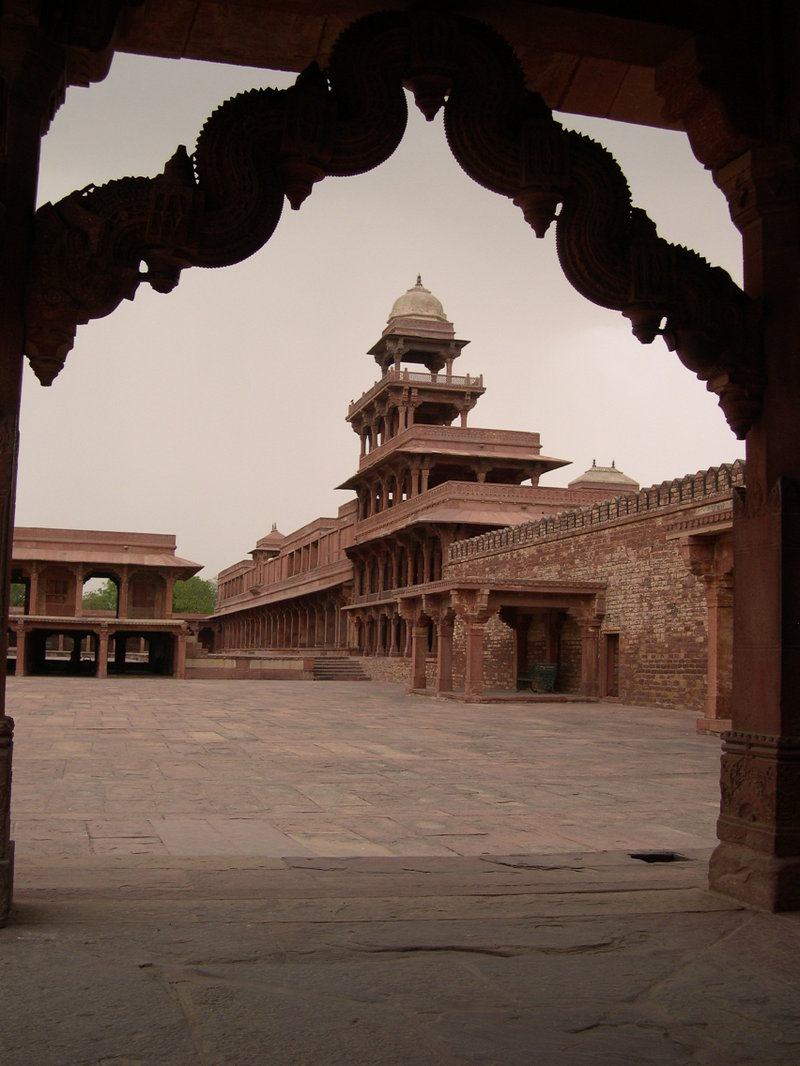
The king’s throne room.
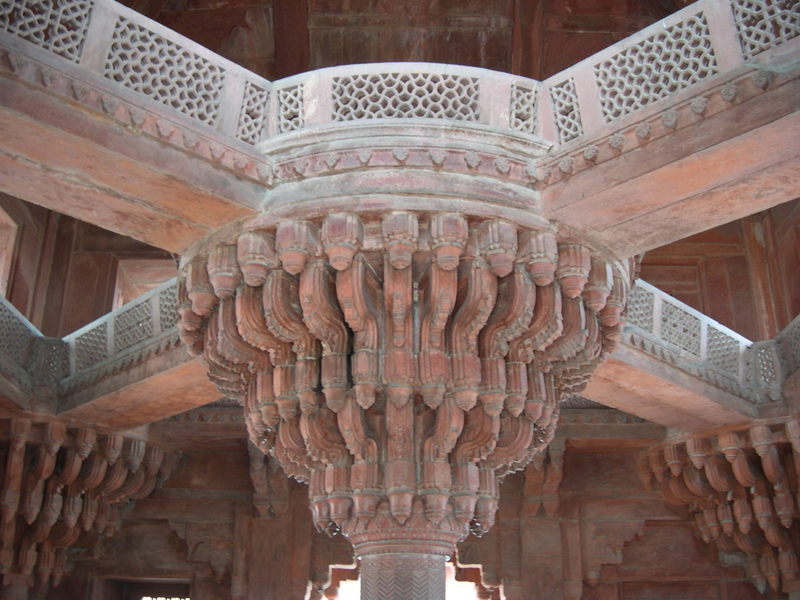
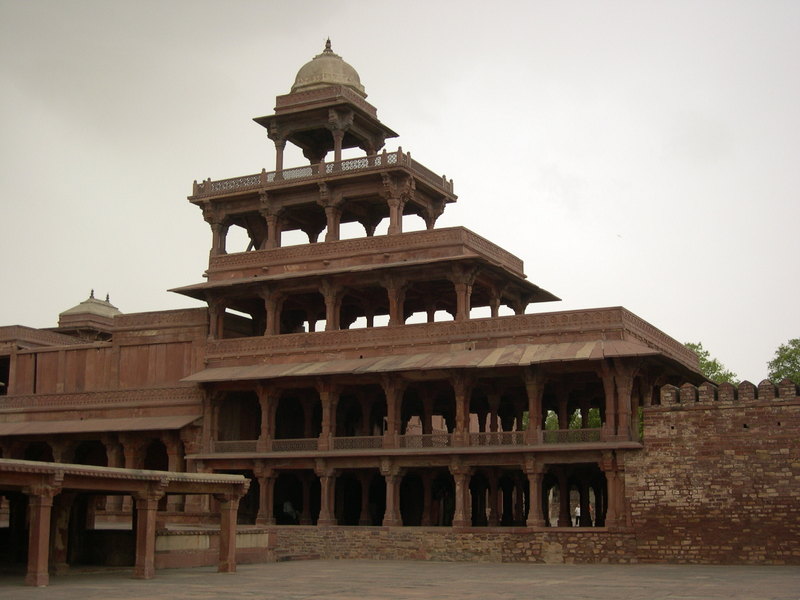
The raised throne. Part of the palace structure.
We also visited the nearby mosque with an incredibly beautiful exterior made out of the same red stone as the palace next door.
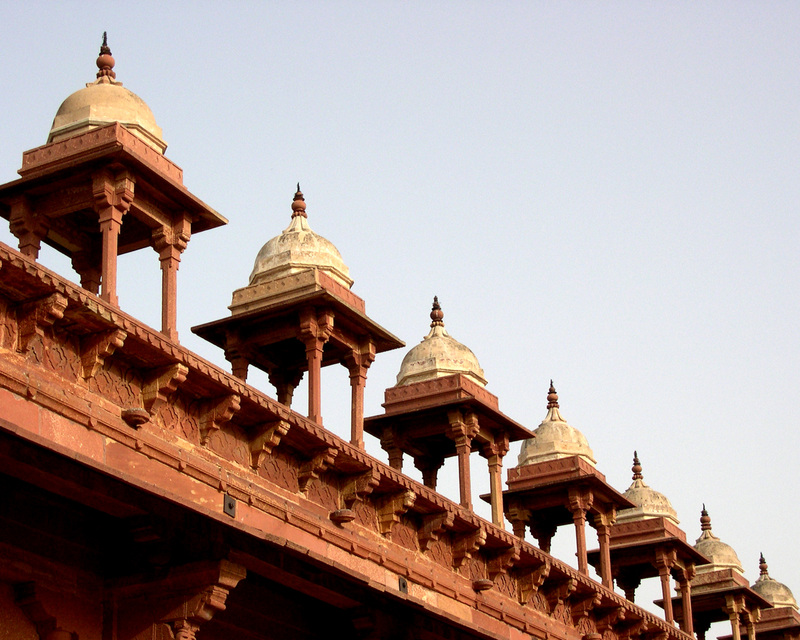

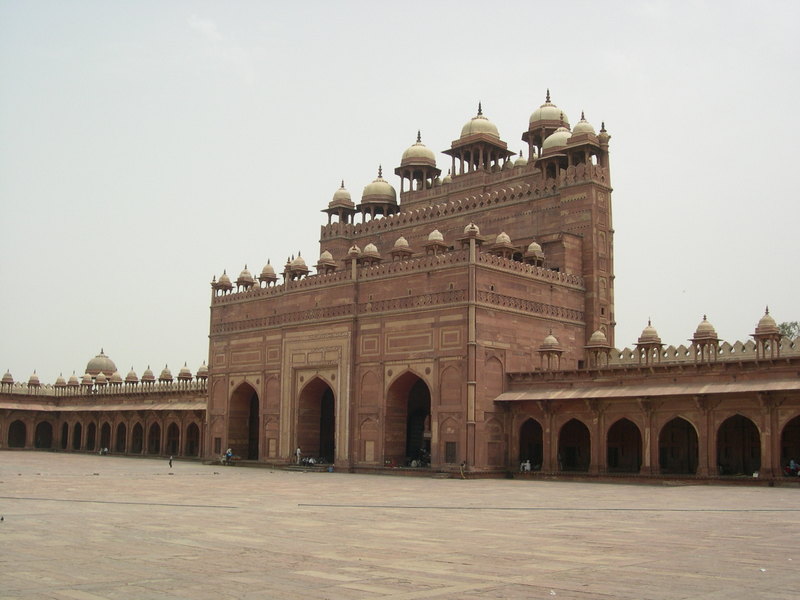
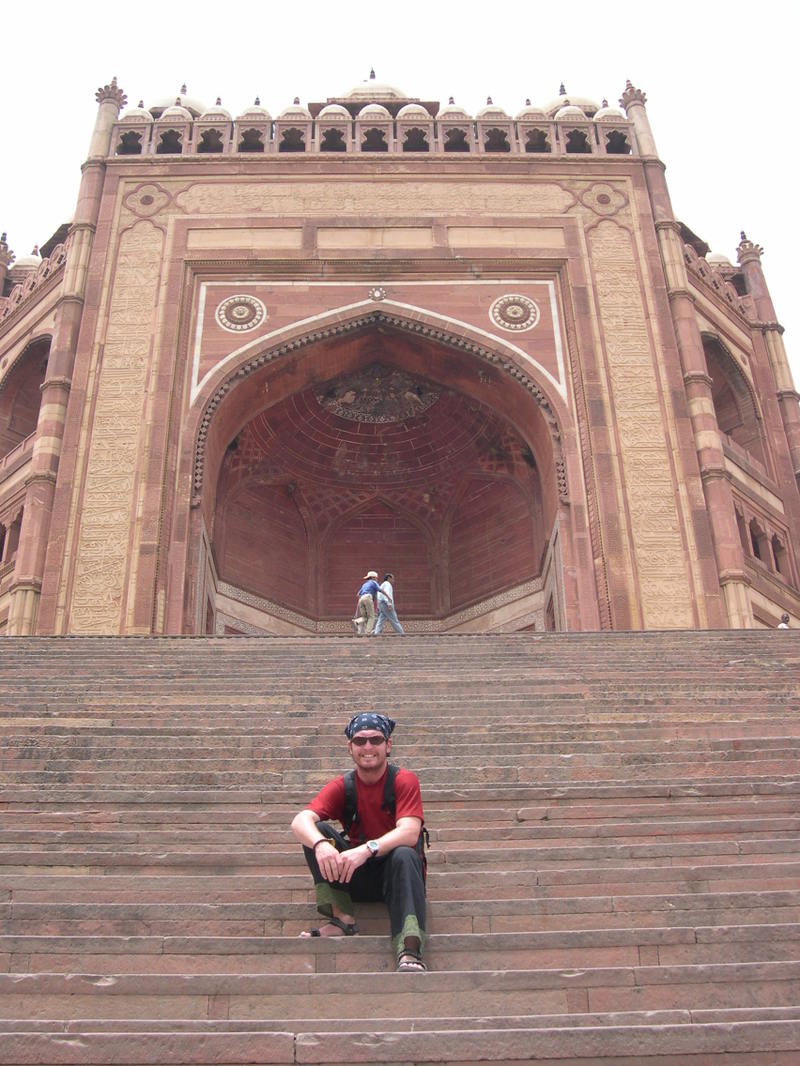
I recall that the stairs were so blisteringly hot (it was around 45 degrees Celcius most days) that I could only sit down for seconds to take this shot!
My next stop was Agra where I had a few things on my list to see – the Taj Mahal (of course!), Agra Fort, and the little-known ancient city of Fatepur Sikri. While in Agra I got in touch with the extended family of my good friend Milan Pathak (who I knew from work in Switzerland). The family turned out to be terrific hosts and gave me a great insight into family life in India. Milan’s uncle, Mr. S.K. Sharma, had recently retired from his post as head of the Archaelogical Survey (which manages all the historic sites in India), and he was therefore able to arrange personal tours for me through each of the three sites in and around Agra.
First stop was stunning Agra Fort…

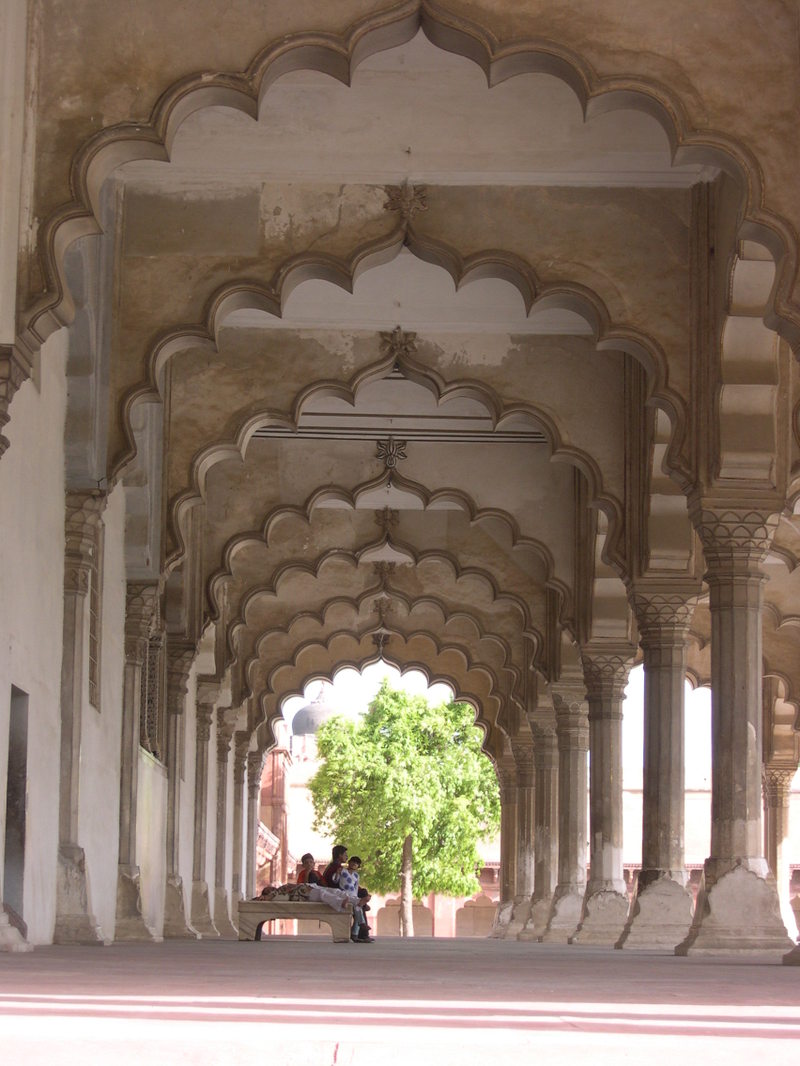


The palace used to have working water fountains throughout it to cool and soothe the royals. This beautiful stonework was part of one of those fountains and incorporates coloured stone from all over Asia and as far away as Europe.

The Taj Mahal across the dry river bed as seen from Agra Fort.

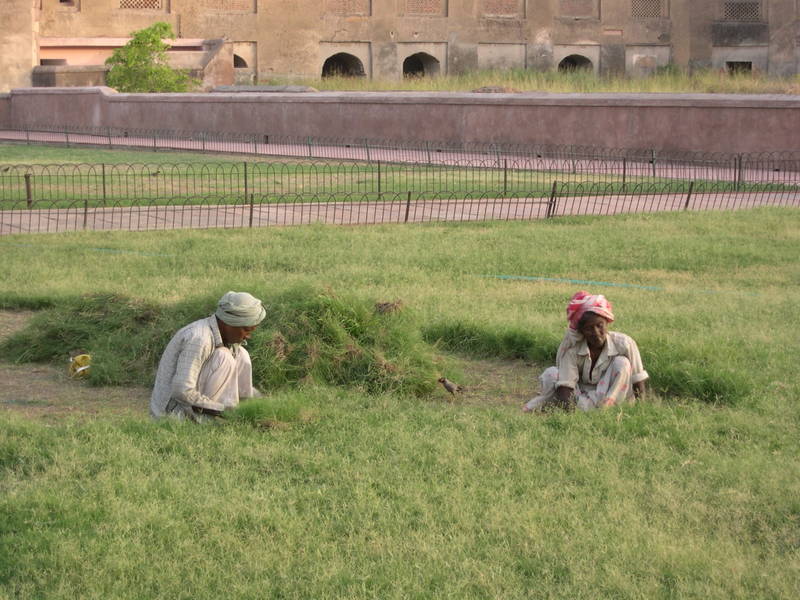
Cutting grass the old fashioned way!
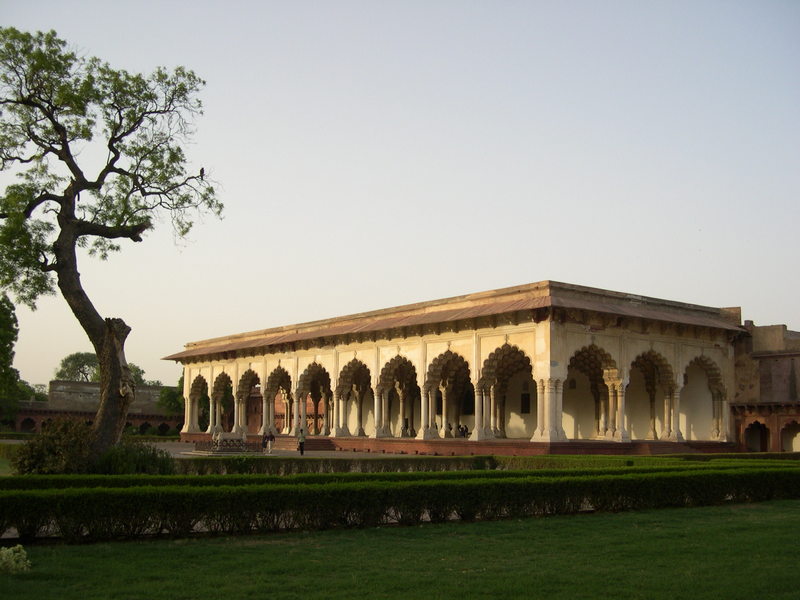
One of the open-sided royal halls.

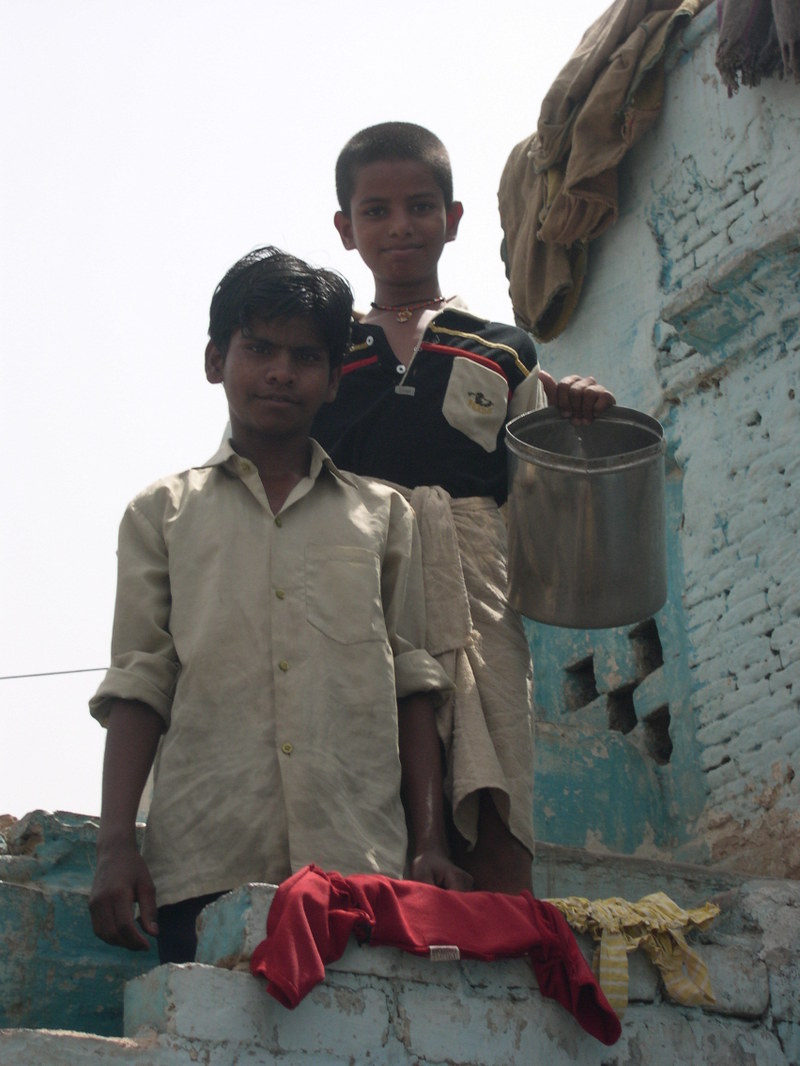
After leaving Agra Fort, I took a few hours to walk around the town, visit the market and meet some of the locals. These people are incredibly poor, but amazingly warm and welcoming.


After I left Dad in Kathmandu to arrange a new passport, I flew to Delhi to backpack around northern India for a couple of weeks. I had been wanting to get to India for years and I couldn’t resist the temptation to add it in to the Nepal trip.
It was May/June when I was there and just before the start of the monsoon. I can honestly say that I’ve NEVER been in hotter conditions in all my life – the average daily temperature was a blisteringly hot 44-45degC! Especially as I’d just come from the cooler climes of the Nepalese Himalaya! Luckily it was fairly dry and not very humid so it was tolerable – just.
I spent a few days exploring Delhi because I’d been told that the city actually had a lot to offer. I visited the Red Fort, Humayun’s Tomb (a magnificent predecessor to the Taj Mahal) and Jama Masjid (the largest mosque in the city). I also made the effort to go and see where Gandhi was cremated after his assassination.


A typical Delhi street scene. Gandhi’s cremation site.

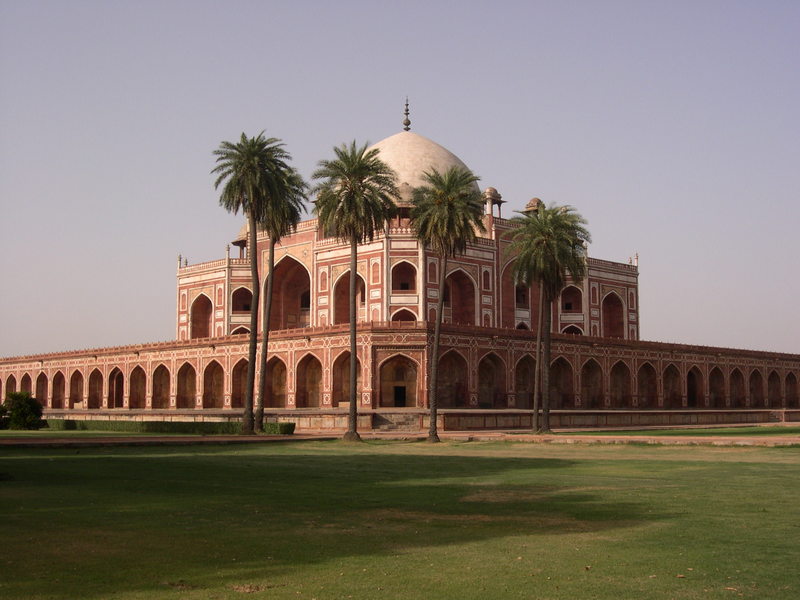
The beautiful Humayun’s Tomb…

These screens within the tomb are carved from a single piece of stone!