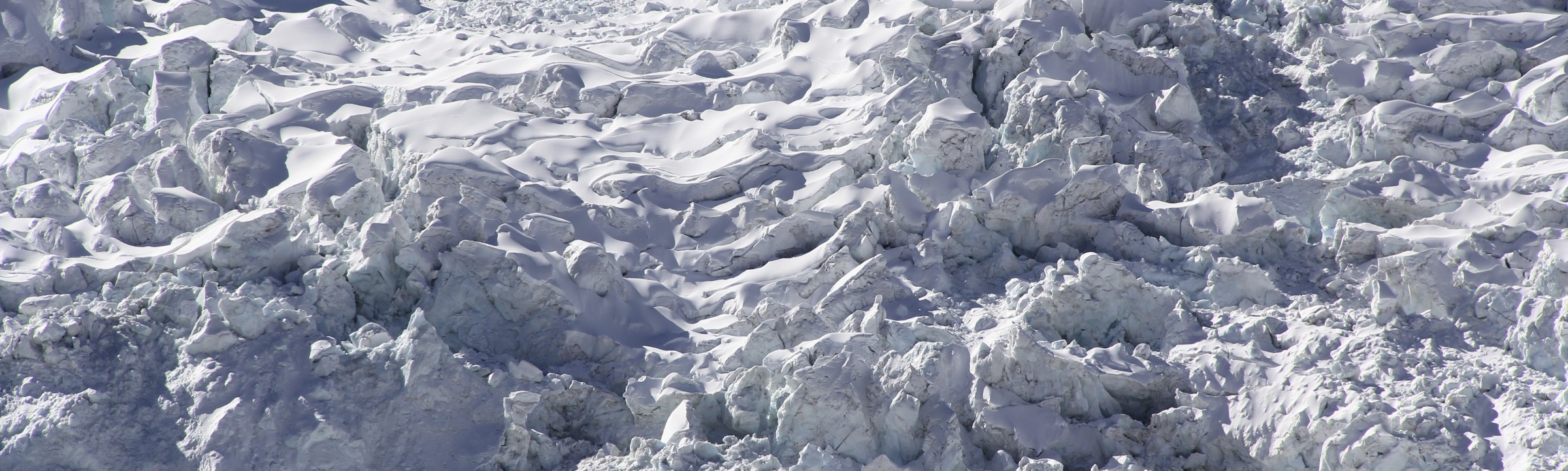
I was orignially planning on getting to the Slovakian side of the High Tatra mountains, but the logistics of getting there from Krakow were too much of hassle, so I settled for a day in Zakopane (on the Polish side) instead. I was up at the crack of dawn and as we drove further into the mountains the weather got more and more miserable. By the time I hit Zakopane it was pissing down rain.
I wasn’t about to let the weather stop me from hiking, and once I checked into a cheap pension for the night I caught the cable car up Mt. Kasprowy Wierz (ca. 2100m). Now, hiking all afternoon in the clouds and rain might not sound like everyone’s cup of tea, but I loved it! It was great to get back into the mountains to stretch my legs after seeing city after city for the past few weeks.
I planned a hike along the mountain ridge dividing Poland from Slovakia, and the route was dotted with markers signifying exactly where the border is – I literally walked with one foot in Poland and the other in Slovakia! My objective was a mountain called Swinica (2300m) a few hours away, and just as I was climbing the cables at the summit (in clouds, I couldn’t see 20m…) a fresh thunderstorm rolled in so I raced back down off the mountain as quick as I could! Wet rocks and steel cables aren’t the best things to be around in an electrical storm!


S for Slovakia, P for Poland. Very wet, but having fun!
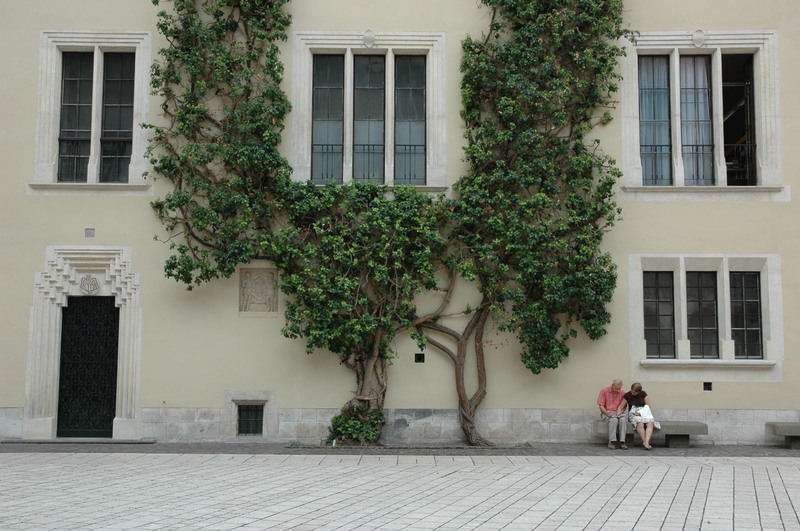
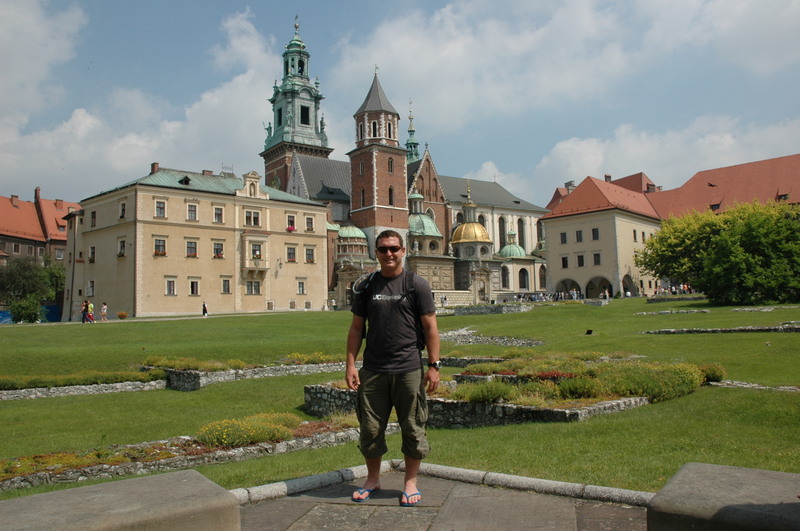
We had a lazy last day in Krakow. In the morning we visited Wawel Hill and toured the castle, the royal staterooms and catherdral there. In the afternoon we walked through Kasimierz, the old Jewish quarter of the city. I guess I was expecting more, like a scene out of "Schindler’s List", but there really wasn’t much to see.
We caught the train down to Oswiecim, which is (unfortunate for the locals) better known by the German translation Auschwitz. We first visited Auschwity I, the original concentration camp set up to house mainly Polish political prisoners. It saw its fair share of deaths however – thousands were summarily executed by the Nazis and they first experimented with Zyklon B gas on Russian POWs there.
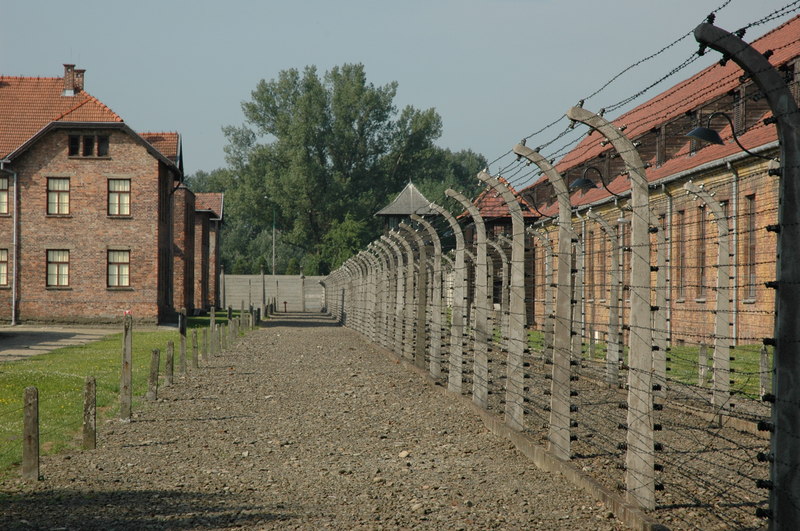
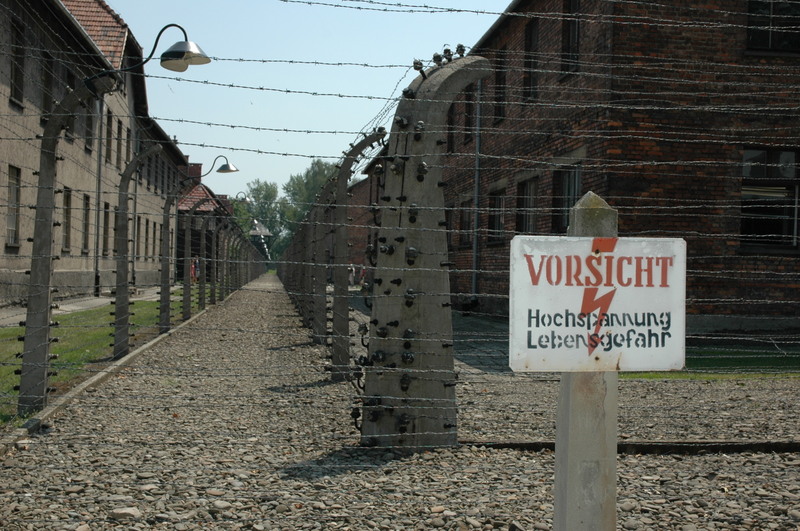
The more infamous Auschwitz II (also called Birkenau) camp was a short bus ride away. It was here that the Nazis set up their first and largest "death camp", and over 1.5 million Jews, Poles, Russians, gypsies and the mentally ill (among others) were sent to the gas chambers. What struck me about Birkenau is the incredible scale of the place – it stretches as far as the eye can see, row upon row of wooden huts (most now long gone apart from their brick chimneys). At the back of the site, at the end of the railway siding, the Nazis built two huge gas chambers and crematoriums (hidden in the trees to keep their crime a secret from the other prisoners). This evidence of mass extermination was destroyed by the retreating Nazis at the end of the war.
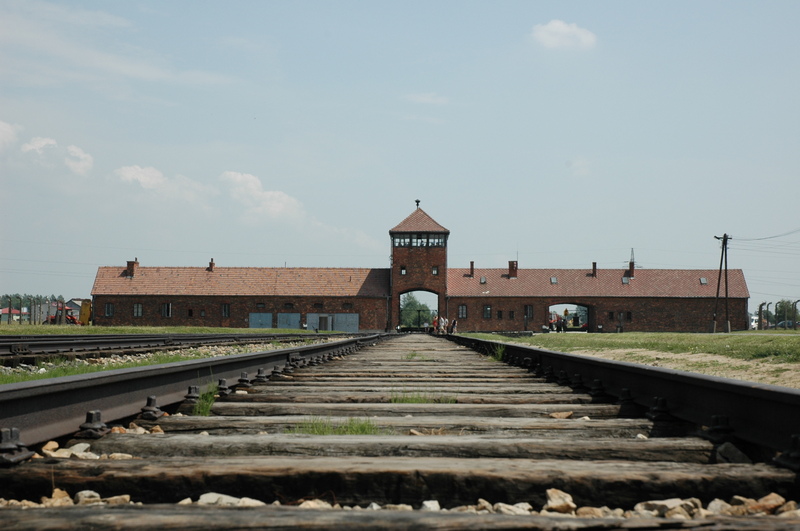
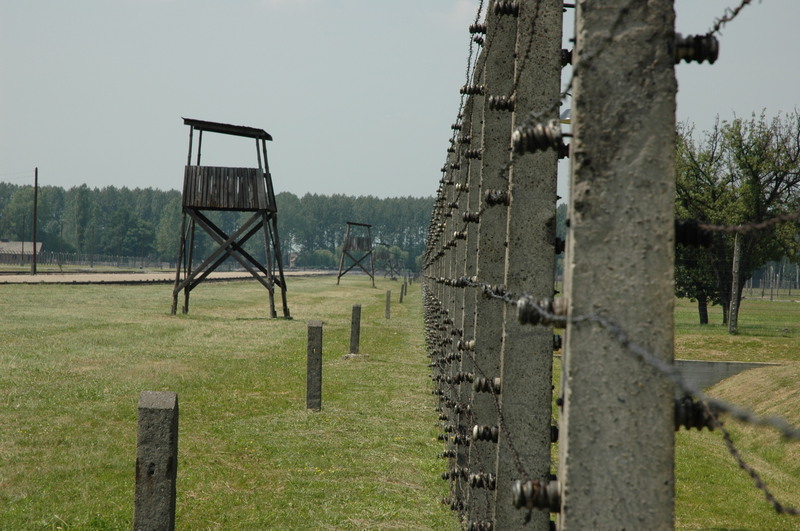
The guard’s watchtower at the entrance to the camp.
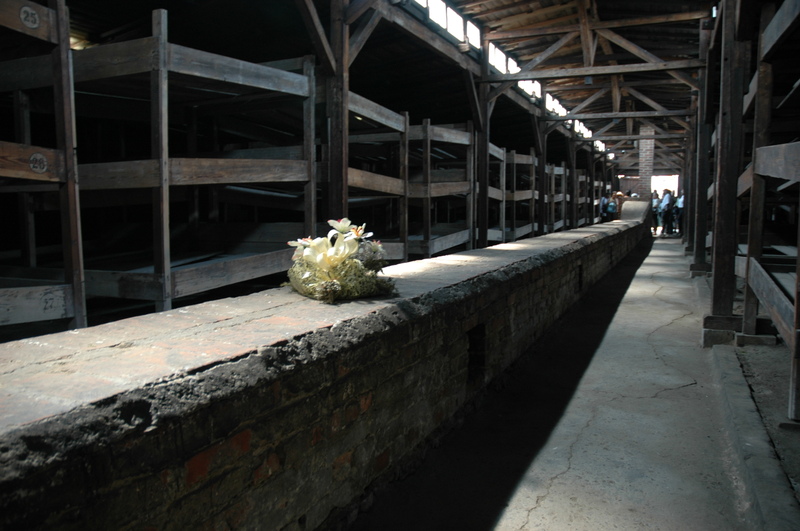
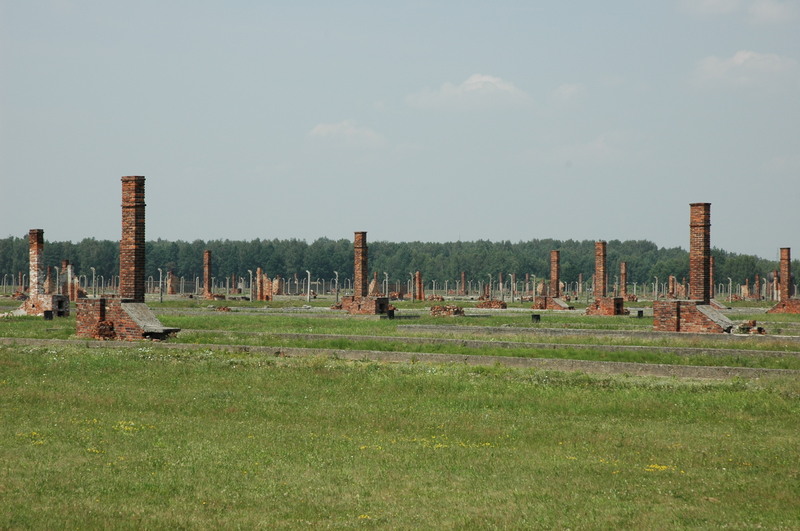
One of the original prisoner’s huts. The brick remnants of other huts.
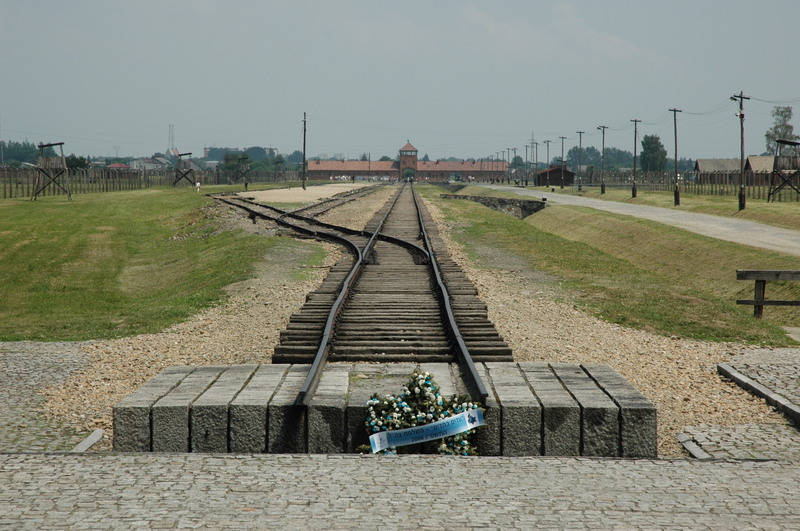
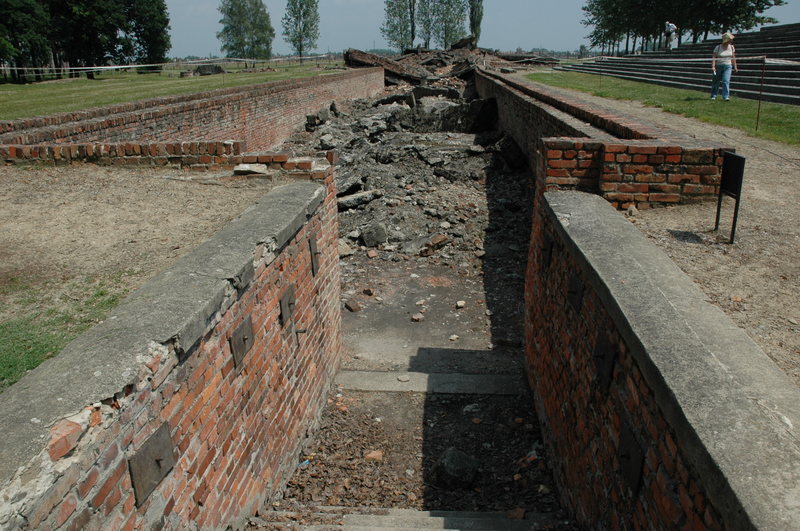
Literally the "end of the line". Stairs into one of the gas chambers.
It was an extremely sobering and depressing day, but I definitely came out of it thinking that everyone should have the experience of visiting a concentration camp at least once in their life. It was a powerful reminder (and warning) of just how inhumane and cruel the human race can be.